When Is Hairstyle Discrimination Illegal Under Federal or State Law?

Discrimination based on personal appearance can feel both personal and public, especially when it involves hairstyles. Many people experience judgment, bias, or even job repercussions simply because of how they wear their hair. The emotional toll can be significant, leaving individuals feeling frustrated, devalued, and unsure of their legal protections.
Toni Jaramilla works with clients in California to guide them on discrimination issues, including cases involving hairstyle discrimination. She helps individuals understand their rights under federal and state law and explores legal remedies when those rights are violated.
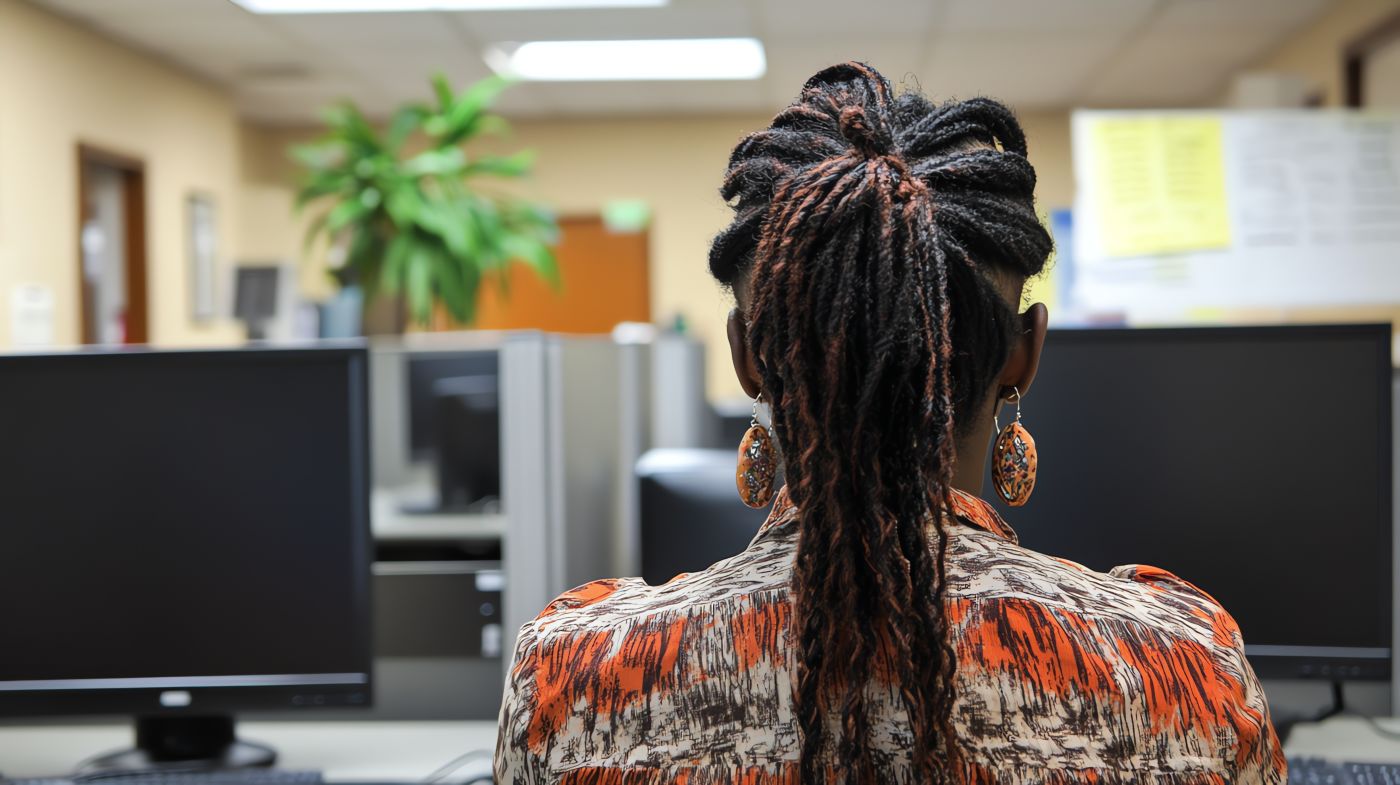
Hairstyle discrimination occurs when an employer, school, or other institution treats someone unfairly due to their hair’s texture, style, or appearance. This can include natural hairstyles like afros, braids, twists, dreadlocks, or cornrows. Policies that appear neutral on their face may disproportionately affect people of certain racial or ethnic backgrounds.
Toni Jaramilla often helps clients determine whether a hairstyle-related policy constitutes unlawful discrimination, using federal statutes, state laws, and recent court decisions to assess potential claims.
At the federal level, protections against hairstyle discrimination primarily fall under civil rights statutes:
Title VII of the Civil Rights Act of 1964: Prohibits discrimination based on race, color, religion, sex, or national origin. Hairstyle rules that disproportionately impact Black employees or other racial groups may violate Title VII.
Recent Court Rulings: Several federal courts have recognized that discrimination against natural hairstyles can constitute racial discrimination under Title VII. These decisions reinforce the idea that personal grooming policies must be applied fairly.
EEOC Guidance: The Equal Employment Opportunity Commission (EEOC) has issued guidance indicating that workplace grooming policies must not discriminate based on race or national origin.
Federal protections provide a baseline, but some states, including California, go further in protecting hairstyle choices under anti-discrimination laws. Toni Jaramilla guides clients in determining whether their situation falls under federal protection or state-specific statutes.
California was among the first states to pass the CROWN Act (Create a Respectful and Open Workplace for Natural Hair). This law explicitly prohibits discrimination based on natural hairstyles, such as braids, locs, twists, and afros.
Key points of the CROWN Act include:
Protection in the workplace: Employers can’t refuse to hire, promote, or discipline an employee based on their natural hairstyle.
Protection in schools: Schools must allow students to wear protective hairstyles without punishment.
Cultural and racial sensitivity: The law acknowledges that natural hairstyles are an expression of racial, cultural, and personal identity.
By consulting with discrimination law professionals like Toni Jaramilla, A Professional Law Corporation, clients can assess whether their rights under the CROWN Act or related California laws have been violated.
It’s not always obvious when hair-related policies cross the line into illegal discrimination. Some common indicators include:
Unequal enforcement: Rules applied only to certain racial or ethnic groups.
Negative comments or reprimands: Criticism specifically targeting natural hair or protective styles.
Promotion or hiring issues: Being passed over for a job or promotion because of hairstyle choices.
School disciplinary action: Students receiving detentions, suspensions, or other penalties for natural hairstyles.
Recognizing these signs early is crucial. Toni Jaramilla, A Professional Law Corporation, helps clients gather documentation, identify patterns, and determine whether the situation qualifies as a violation of discrimination law.
While some grooming rules are legitimate for safety or professional reasons, others may unlawfully target specific groups. Employees should be aware of policies that might constitute illegal discrimination:
Bans on natural hairstyles: Prohibiting afros, braids, or locs without a valid business reason.
Unequal treatment: Requiring certain employees to alter their hair while others aren’t held to the same standards.
Punitive actions: Threatening disciplinary action, demotion, or termination based on hairstyle.
Lack of accommodation: Refusing to allow protective hairstyles for medical or cultural reasons.
Understanding which policies may be unlawful allows employees to take informed action. Toni Jaramilla helps clients evaluate company policies against federal and California discrimination law.
Employees and students who believe they are experiencing hairstyle discrimination can take practical steps to protect themselves. Taking action early can improve outcomes:
Document incidents: Record dates, times, individuals involved, and descriptions of discriminatory behavior.
Review policies: Compare the organization’s grooming rules to how they are applied in practice.
Communicate concerns: Raise the issue with HR, a supervisor, or school administrators in writing.
Seek legal advice: Contact a discrimination law attorney to evaluate your case and discuss potential remedies.
File a complaint: If necessary, submit a complaint to the EEOC, California Department of Fair Employment and Housing (DFEH), or appropriate school board.
Taking these steps can protect your rights and support your claim under federal or state discrimination law. Toni Jaramilla assists clients in building strong documentation and pursuing remedies.
Students can face similar issues in schools, where rules about grooming or dress codes may unfairly target natural hairstyles. Common issues include:
Dress code violations: Students are being reprimanded or sent home for wearing natural or protective hairstyles.
Unequal enforcement: Policies are applied inconsistently, often affecting students of certain racial or ethnic backgrounds.
Impact on academic participation: Missing school or extracurricular activities due to hairstyle restrictions.
The CROWN Act and the California Education Code provide protections for students. Toni Jaramilla helps families understand these protections and take action when schools violate discrimination law.
Victims of hairstyle discrimination may be entitled to a range of remedies under federal and state law. Possible outcomes include:
Policy changes: Organizations may be required to revise grooming rules to comply with discrimination law.
Compensation: Employees may recover lost wages, promotions, or other damages if discrimination affected their careers.
Injunctive relief: Courts can prevent ongoing discriminatory actions in workplaces or schools.
Public acknowledgment: Some cases result in formal apologies or commitments to cultural sensitivity training.
Legal counsel like Toni Jaramilla helps clients determine the most effective remedies and pursue them through administrative or court channels.
Many people assume that employers or schools have unlimited discretion over appearance rules. Common myths include:
“It’s just a preference”: Hairstyle restrictions may appear neutral, but can violate discrimination law if they disproportionately affect certain groups.
“It doesn’t count as racial discrimination”: Natural hairstyles are often tied to racial identity, making discrimination against them potentially unlawful.
“You have to have a formal complaint”: Legal protections exist even if the employee or student hasn’t filed a formal complaint initially.
“Small businesses aren’t covered”: Federal and California laws may still protect employees of smaller organizations, depending on size and scope.
Correcting these misconceptions empowers individuals to recognize violations and pursue their rights. Toni Jaramilla provides guidance to clients in distinguishing legal protections from organizational preferences.
Hairstyle discrimination can have significant personal and professional consequences, but federal and California laws provide protection against unfair treatment. Anyone experiencing bias or punitive action because of their natural or protective hairstyle should document incidents, understand their rights, and seek professional guidance to protect themselves.
Toni Jaramilla assists clients throughout California, including Los Angeles, in enforcing their rights under federal and state discrimination laws, recovering lost opportunities, and advocating for fair treatment. If you or someone you love needs representation, reach out today.