
Braids, Locks, and Twists: What Workplace Policies Can’t Do
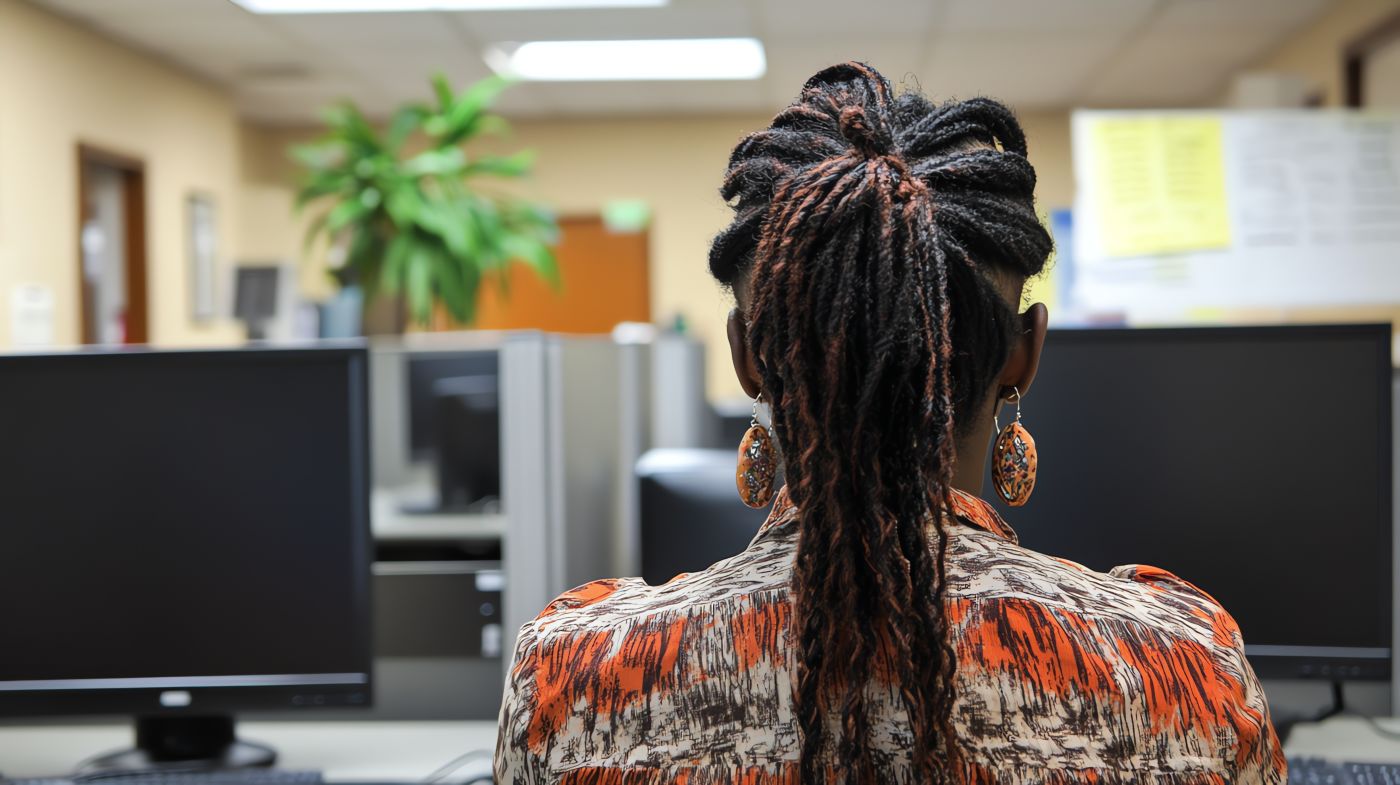
Your hairstyle is often an important part of your identity, culture, and self-expression. For many workers, styles such as braids, locs, and twists are not just fashion choices but deeply connected to heritage and personal dignity.
When employers impose restrictive grooming policies, employees may feel singled out, misunderstood, or unfairly judged for simply presenting themselves authentically. In California, laws now provide protections against natural hairstyle discrimination in the workplace.
These protections recognize that grooming policies can sometimes have unequal impacts on certain communities. These legal developments reflect growing recognition that appearance standards should not create barriers to equal employment opportunities.
The attorneys at Toni Jaramilla in Los Angeles, California, assist workers who believe they’ve experienced natural hairstyle discrimination and help them evaluate whether workplace policies may violate state law. They also help clients understand how state protections apply to their specific workplace situations. If you’re concerned about how workplace grooming rules may affect your rights, reach out today to discuss your situation.
Natural hairstyle discrimination often arises when workplace policies place restrictions on hair textures or styles associated with specific cultural groups. While employers may claim policies are neutral, their effects can disproportionately impact certain employees.
This type of discrimination can appear in many forms. Sometimes policies seem subtle but still place unfair pressure on workers to change their appearance. Over time, these pressures can influence hiring decisions, promotions, and overall workplace treatment.
Common examples of natural hairstyle discrimination include:
Bans on protective styles: Policies prohibiting braids, locs, twists, or other cultural hairstyles.
Unwritten appearance standards: Pressure from supervisors to alter natural hair to appear “professional.”
Unequal enforcement: Grooming rules applied more strictly to certain employees.
Hiring decisions influenced by hairstyle: Job offers withdrawn or denied based on appearance.
These actions may create barriers that affect employment opportunities, workplace comfort, and career advancement. They may also discourage employees from fully expressing their identity at work. Workers who experience these issues may benefit from speaking with an employment lawyer to evaluate their situation.
California was one of the first states to adopt legislation specifically addressing natural hairstyle discrimination. The CROWN Act expanded existing discrimination protections to include traits historically associated with race, including hair texture and protective styles.
This law makes it unlawful for employers to enforce grooming policies that unfairly target certain hairstyles. It also clarifies that appearance standards must be applied in a way that respects protected characteristics and recognizes that workplace standards should not require employees to alter natural characteristics tied to identity.
Key protections provided under California law include:
Recognition of protective styles: Braids, locs, twists, and similar hairstyles are protected by law.
Expansion of race discrimination definitions: Hair traits linked to racial identity are included.
Applicability to hiring and employment decisions: Protections apply throughout the employment relationship.
Coverage of workplace policies: Grooming rules cannot disproportionately affect certain groups.
These legal protections provide important safeguards for employees facing natural hairstyle discrimination. They also give workers a clearer path to challenge policies that may be applied unfairly. Consulting an experienced lawyer can help determine whether a workplace policy violates state protections.
While California law prohibits natural hairstyle discrimination, employers may still implement reasonable workplace policies under certain circumstances. However, these policies must be applied fairly and must not disproportionately affect protected groups. Employers must also demonstrate that any restrictions are truly necessary for legitimate workplace purposes.
Employers may justify certain rules when they are directly tied to legitimate business needs. Safety requirements, for example, may sometimes require specific hair containment practices.
Examples of situations where policies may be permitted include:
Safety-related requirements: Rules involving machinery or protective equipment.
Uniform standards applied consistently: Policies that apply equally without targeting specific groups.
Health regulations: Requirements in certain industries, such as food preparation.
Clear nondiscriminatory enforcement: Policies implemented fairly across all employees.
Even in these situations, employers must avoid targeting specific hairstyles or creating unequal burdens. Workers who believe policies are applied unfairly may wish to consult an employment lawyer for guidance.
Experiencing natural hairstyle discrimination can feel frustrating and isolating. Many workers may hesitate to speak up out of fear of retaliation or job loss. Many employees may also feel uncertain about how to raise concerns without risking workplace tension. However, taking thoughtful steps can help protect legal rights and provide clarity.
Employees can take several actions when facing discrimination:
Document workplace incidents: Keep records of policies, communications, and interactions.
Review employee handbooks: Identify official grooming policy language.
Report concerns internally: Use formal complaint procedures when available.
Seek legal guidance: An employment lawyer can help evaluate potential claims.
These steps can help create a clear record of events and support potential legal action if needed. Early legal guidance can also help workers avoid mistakes that may affect their case.
Experiencing discrimination tied to personal identity can be deeply distressing. Many employees feel uncertain about how to respond or worry about potential workplace consequences. Having reliable legal guidance can help provide reassurance and direction during challenging situations.
The attorneys at Toni Jaramilla in Los Angeles, California, assist Los Angeles, California, workers facing natural hairstyle discrimination. By helping clients understand their rights and options, the firm works to protect individuals who have experienced unfair treatment. If you believe you may have faced natural hairstyle discrimination, reach out today to discuss your situation.